Last Updated: June 2026 | Expert Review: Valerie Williams, E-RYT 500
- Quick Answer
- Key Takeaways
- Benefits Summary
- Introduction
- What Is Yoga for Beginners?
- Definition
- History and Origins
- Purpose
- Who Should Practice Yoga for Beginners
- Who Should Avoid Yoga or Practice with Caution
- Benefits of Yoga for Beginners
- Step-by-Step Guide: Foundational Beginner Poses
- 1. Mountain Pose (Tadasana)
- 2. Cat-Cow Pose (Marjaryasana-Bitilasana)
- 3. Child’s Pose (Balasana)
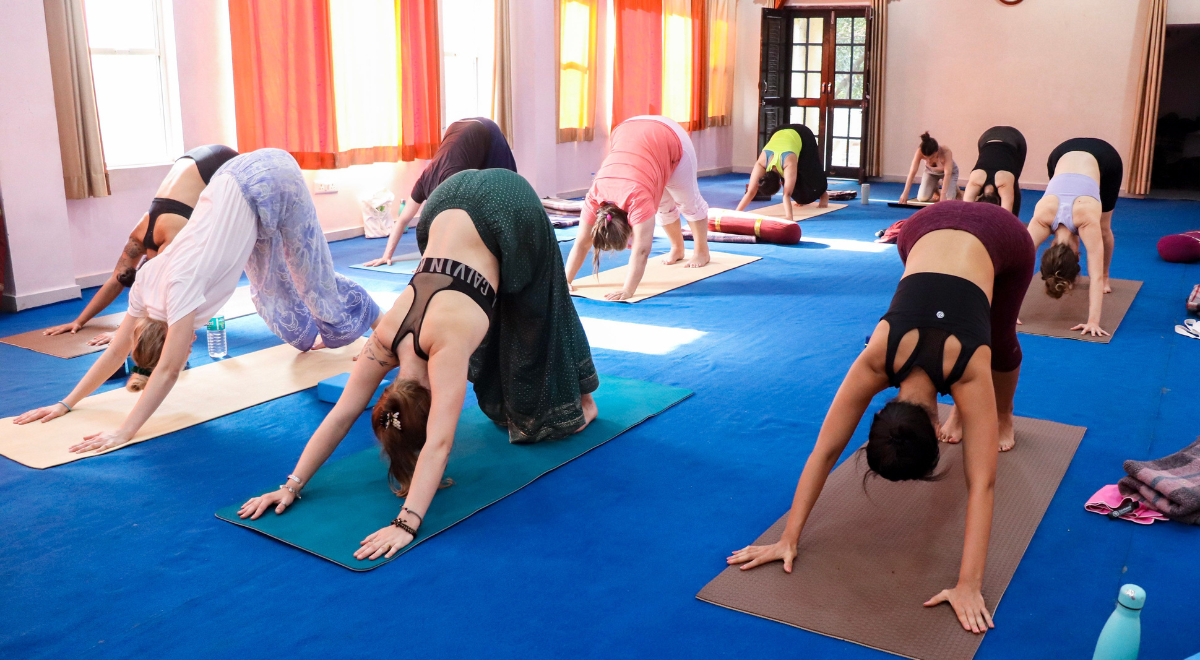
- 4. Downward-Facing Dog (Adho Mukha Svanasana)
- 5. Forward Fold (Uttanasana)
- 6. Low Lunge (Anjaneyasana)
- 7. Warrior II (Virabhadrasana II)
- 8. Tree Pose (Vrksasana)
- 9. Cobra Pose (Bhujangasana)
- 10. Seated Forward Fold (Paschimottanasana)
- Beginner Modifications
- Advanced Variations
- Common Mistakes Beginners Make
- 1. Attending the Wrong Class
- 2. Rushing
- 3. Pushing Through Pain
- 4. Holding Your Breath
- 5. Comparing Yourself to Others
- 6. Skipping the Warm-Up
- 7. Not Using Props
- 8. Ignoring Alignment
- Safety Considerations
- Expert Yoga Teacher Tips
- From Valerie Williams, E-RYT 500 (Cleveland Clinic)
- From Kim Richardson, Yoga Teacher and Certified Yoga Therapist
- From Harpinder Mann, Yoga and Meditation Teacher
- My Personal Teaching Insight
- Sequence Integration
- Poses to Do Before Your Beginner Flow
- Complete Beginner Flow (20-25 Minutes)
- Intermediate Flow (30-40 Minutes)
- Advanced Flow (45-60 Minutes)
- SEO FAQ Section
- 1. How often should beginners practice yoga?
- 2. Can I do yoga if I’m not flexible?
- 3. What do I need to start yoga at home?
- 4. What type of yoga is best for beginners?
- 5. Is yoga safe during pregnancy?
- 6. How do I know if I’m doing a pose correctly?
- 7. Why does my back hurt after yoga?
- 8. Should I eat before yoga?
- 9. How long does it take to see results from yoga?
- 10. Can yoga help with anxiety and depression?
- 11. What’s the difference between Hatha, Vinyasa, and Yin yoga?
- 12. Do I need to be religious or spiritual to practice yoga?
- 13. Why do yoga teachers say “listen to your body”?
- 14. Can I practice yoga with an injury?
- 15. What is Savasana and why is it important?
Quick Answer
Yoga for beginners is an accessible practice that combines physical postures, breathing techniques, and mindfulness to improve flexibility, strength, and mental wellbeing. Start with foundational poses like Mountain Pose, Cat-Cow, and Child’s Pose. Practice 2-3 times per week for 20-30 minutes. No flexibility or special equipment is required—just a comfortable space and an open mind.
Key Takeaways
- Start slow – Begin with 2-3 sessions per week, 20-30 minutes each
- No flexibility required – Yoga builds flexibility; you don’t need to be flexible to start
- Focus on breath – Breath awareness is more important than perfect alignment
- Use props – Blocks, straps, and blankets make poses accessible
- Listen to your body – Never push through pain
Benefits Summary
Yoga for beginners offers immediate and long-term benefits including reduced stress and anxiety, improved flexibility and strength, better sleep quality, enhanced balance and coordination, increased energy levels, and greater mind-body awareness.
Difficulty Level: ★☆☆☆☆ (Beginner-Friendly)
Best For: Absolute beginners, those returning to yoga after a break, anyone seeking stress relief, individuals with limited flexibility, and people looking for a low-impact exercise.
Time Required: 20-30 minutes per session, 2-3 times per week to start.
Introduction
You’re standing in front of your computer, phone, or maybe a yoga studio window, watching people twist their bodies into shapes that seem to defy physics. Your inner voice whispers, “I could never do that.” Or perhaps you’ve already bought a yoga mat, rolled it out once, felt completely lost, and rolled it right back up.
Here’s the truth that most yoga teachers wish they could shout from the rooftops: yoga is not about touching your toes. It’s about what you learn on the way down.
I’ve been teaching yoga for over a decade, and I’ve worked with hundreds of beginners. Every single one of them walked through the door—or unrolled their mat at home—with the same fears. “I’m not flexible enough.” “I don’t know what I’m doing.” “Everyone will judge me.”
And every single time, I watch those fears dissolve within the first few minutes of practice.
Yoga is thousands of years old, originating in ancient India from the Sanskrit root yuj, meaning “to yoke” or “to unite”. It’s a practice that connects mind, body, and spirit through postures (asana), breathing practices (pranayama), and meditation. But here’s what those ancient texts don’t tell you: yoga meets you exactly where you are. Not where you think you should be. Not where the person on the Instagram reel is. Right where you are, in this moment.
This guide is designed for absolute beginners. Whether you’re 18 or 80, flexible as a pretzel or stiff as a board, carrying injuries or carrying stress—this is your starting point. By the end of this article, you’ll have everything you need to roll out your mat with confidence and begin a practice that could transform not just your body, but your entire relationship with yourself.
What Is Yoga for Beginners?
Definition
At its core, yoga is the practice of connecting movement with breath and bringing your attention to what’s happening in your body in the present moment. The word “yoga” derives from the Sanskrit root yuj, meaning “to yoke” or “to unite”—a fitting description for a practice that unites the mind, body, and spirit.
For beginners, yoga is simply a way to move your body mindfully, breathe consciously, and build strength and flexibility gradually. It’s not about achieving Instagram-worthy poses. It’s about showing up for yourself, exactly as you are.
History and Origins
Yoga’s roots are found in ancient texts called the Vedas, which are approximately 3,000 to 5,000 years old. The practice evolved over millennia in India, with the physical postures (asana) being just one of eight limbs of yoga outlined in the Yoga Sutras of Patanjali, a foundational philosophical text. Today, an estimated two billion people practice yoga worldwide.
Purpose
The purpose of yoga is multifaceted. As yoga therapist Indu Arora explains, yoga is “that harmonious, peaceful, content, still state of mind”. Physically, it builds strength and flexibility. Mentally, it cultivates awareness and calm. Spiritually, it fosters connection to something greater than oneself—whether that’s community, nature, or inner peace.
Who Should Practice Yoga for Beginners
Yoga is truly for everyone. You do not need to be flexible, young, or athletic to start practicing. Beginners can benefit from yoga regardless of age, fitness level, or body type. According to Cleveland Clinic yoga therapist Valerie Williams, E-RYT 500, beginners should look for classes that move at a slower pace, allowing time to learn how poses feel in the body.
Who Should Avoid Yoga or Practice with Caution
While yoga is generally safe for most people, certain individuals should consult a healthcare provider before starting:
- Pregnant individuals: May need to modify or avoid certain poses
- Those with high blood pressure: Should avoid certain inversions and intense practices
- Individuals with glaucoma: Should avoid inversions
- People with sciatica or arthritis: May need modifications
- Those with pre-existing knee, hip, or spine injuries: Should work with a qualified instructor
- Individuals with osteoporosis: Should avoid high-impact or deep forward bends
Benefits of Yoga for Beginners
Physical Benefits
Improved Flexibility and Strength – Regular yoga practice stretches muscles, enhances joint mobility, and builds core strength. Research has found improvements in muscle strength, balance, and lower-body flexibility across age groups. Even one session a week can make a difference.
Better Cardiovascular Health – Yoga has been linked to lower blood pressure and heart rate, particularly through practices that activate the parasympathetic nervous system.
Increased Energy – Yoga invigorates the body and mind, reducing fatigue and boosting vitality.
Pain Reduction – Regular practice can ease chronic pain, particularly low back pain, by strengthening supporting muscles and improving posture.
Mental and Emotional Benefits
Stress Reduction – Yoga links movement with slow breathing and mindful awareness, and studies show it can ease symptoms of anxiety and depression. The slow breathing signals to your body that it’s safe to calm down.
Better Sleep – Yoga can reduce fatigue and improve sleep quality, particularly for people recovering from illness or managing stress.
Enhanced Mind-Body Connection – The practice trains your balance, awareness, and ability to adjust in real time—skills that benefit both physical fitness and day-to-day wellbeing.
Emotional Balance – Yoga provides stress reduction and emotional balance, alleviating symptoms of anxiety and depression while strengthening focus and self-awareness.
Posture Benefits
Modern life—with its hours of sitting, phone scrolling, and computer work—has created a posture epidemic. Yoga counteracts this by strengthening the muscles that support proper alignment, opening the chest and shoulders, and creating awareness of how you hold your body throughout the day.
Step-by-Step Guide: Foundational Beginner Poses
These ten poses form the foundation of most beginner yoga practices. Practice them slowly, focusing on your breath and how each pose feels in your body.
1. Mountain Pose (Tadasana)
Purpose: The foundation of all standing poses. Builds awareness of alignment and posture.
Instructions:
- Stand with feet hip-width apart, toes pointing forward
- Distribute weight evenly across all four corners of your feet
- Engage your thigh muscles gently
- Draw your shoulder blades down your back, lift your chest
- Let your arms rest alongside your body, palms facing forward
- Gaze softly forward, chin parallel to the floor
Breathing Cue: Inhale to lengthen your spine, exhale to ground through your feet.
Common Mistakes: Locking knees, overarching lower back, slouching shoulders.
Modification: Stand with feet wider apart for more stability, or practice with your back against a wall.
2. Cat-Cow Pose (Marjaryasana-Bitilasana)
Purpose: Warms up the spine, improves flexibility, and releases back tension.
Instructions:
- Start on hands and knees, wrists under shoulders, knees under hips
- Cow (Inhale): Drop your belly toward the floor, lift your chest and sitting bones, gaze slightly up
- Cat (Exhale): Round your spine toward the ceiling, tuck your chin to your chest, draw your navel in
- Move slowly between these two positions, matching each movement to your breath
Breathing Cue: Inhale for Cow, exhale for Cat.
Common Mistakes: Moving too quickly, collapsing into shoulders, holding breath.
Modification: Reduce range of motion if you have back sensitivity.
3. Child’s Pose (Balasana)
Purpose: A resting pose that stretches the back, hips, and thighs while calming the mind.
Instructions:
- Kneel on the floor with toes together and knees hip-width apart
- Sit back on your heels
- Fold forward, bringing your forehead to the mat
- Extend your arms forward, palms down, or rest them alongside your body
- Breathe deeply and relax
Breathing Cue: Breathe into your back, feeling it expand with each inhale.
Common Mistakes: Lifting hips too high, forcing forehead to floor.
Modification: Place a folded blanket between your thighs and calves for support, or rest your forehead on a block if your head doesn’t reach the floor.
4. Downward-Facing Dog (Adho Mukha Svanasana)
Purpose: A foundational pose that stretches the hamstrings, calves, and spine while building upper body strength.
Instructions:
- Start on hands and knees
- Tuck your toes and lift your hips toward the ceiling, straightening your legs
- Press firmly through your hands, spreading your fingers wide
- Let your head hang between your arms, neck relaxed
- Pedal your feet gently to stretch your calves
Breathing Cue: Inhale to lengthen, exhale to deepen the stretch.
Common Mistakes: Rounding the back (keep it long), locking knees, collapsing shoulders.
Modification: Bend your knees generously—it’s not about straight legs, it’s about a long spine.
5. Forward Fold (Uttanasana)
Purpose: Stretches hamstrings, calves, and lower back while calming the nervous system.
Instructions:
- From Mountain Pose, exhale and fold forward from your hips
- Let your head hang heavy
- Bend your knees as much as needed
- Hold opposite elbows or place hands on the floor or blocks
Breathing Cue: Inhale to lengthen your spine, exhale to fold deeper.
Common Mistakes: Rounding the spine (fold from hips, not waist), locking knees.
Modification: Keep knees deeply bent, place hands on blocks, or practice with your back against a wall.
6. Low Lunge (Anjaneyasana)
Purpose: Opens hips, stretches quadriceps and hip flexors, builds leg strength.
Instructions:
- From Downward Dog, step your right foot forward between your hands
- Lower your left knee to the mat
- Square your hips toward the front of your mat
- Rise up, lifting your arms overhead with palms facing each other
- Keep your front knee stacked over your ankle
Breathing Cue: Inhale to rise up, exhale to sink deeper into the lunge.
Common Mistakes: Front knee drifting past ankle, hips twisting open.
Modification: Keep your back knee down, place hands on blocks or front thigh for support.
7. Warrior II (Virabhadrasana II)
Purpose: Builds leg strength, opens hips and chest, improves focus and stamina.
Instructions:
- From Mountain Pose, step feet wide apart (about 3-4 feet)
- Turn your right foot forward, left foot slightly turned in
- Bend your right knee to 90 degrees, knee over ankle
- Extend arms out to the sides, gaze over your right fingertips
- Keep your torso upright and shoulders relaxed
Breathing Cue: Inhale to expand through your chest, exhale to ground through your feet.
Common Mistakes: Front knee drifting past ankle, leaning torso forward, shoulders creeping up to ears.
Modification: Take a shorter stance, reduce knee bend, or practice with your back against a wall.
8. Tree Pose (Vrksasana)
Purpose: Builds balance, focus, and leg strength while opening the hips.
Instructions:
- From Mountain Pose, shift weight onto your left foot
- Place the sole of your right foot on your left inner thigh or calf (avoid the knee)
- Bring your hands to your heart or extend them overhead
- Find a focal point (drishti) to help with balance
- Hold for several breaths, then switch sides
Breathing Cue: Inhale to lift and lengthen, exhale to root down.
Common Mistakes: Placing foot on the knee (risk of injury), leaning to one side, holding breath.
Modification: Keep your toes on the floor for stability, or practice with a wall or chair nearby for support.
9. Cobra Pose (Bhujangasana)
Purpose: Strengthens the back, opens the chest, and improves spinal flexibility.
Instructions:
- Lie on your belly with legs extended and tops of feet on the mat
- Place hands under shoulders, elbows close to your body
- On an inhale, press through your hands and lift your chest
- Keep your elbows slightly bent and shoulders away from your ears
- Gaze forward or slightly up
Breathing Cue: Inhale to lift, exhale to release.
Common Mistakes: Pushing too high (let your back muscles do the work, not your arms), locking elbows, crunching the neck.
Modification: Keep your forearms on the mat for a gentler backbend (Sphinx Pose).
10. Seated Forward Fold (Paschimottanasana)
Purpose: Stretches the entire back of the body, calms the mind, and improves digestion.
Instructions:
- Sit with legs extended forward, feet flexed
- Sit up tall on your sitting bones
- Inhale, lengthen your spine
- Exhale, fold forward from your hips
- Reach for your shins, ankles, or feet—wherever is comfortable
- Keep your spine long rather than rounding
Breathing Cue: Inhale to lengthen, exhale to fold deeper.
Common Mistakes: Rounding the spine, forcing the stretch, holding tension in the neck.
Modification: Bend your knees generously, sit on a folded blanket, or use a strap around your feet.
Beginner Modifications
Easier Variations for Every Body
Wall Support – Many standing poses can be practiced with your back against a wall for stability. Try Mountain Pose, Warrior II, and Tree Pose with wall support.
Chair Support – Sitting on a chair makes many poses accessible. Try seated Cat-Cow, seated Forward Fold, or chair-supported Warrior poses.
Prop Substitutions – You don’t need expensive yoga props. Use:
- Blocks → Books, thick phone books, or sturdy boxes
- Straps → Belts, robes, towels, or long scarves
- Bolsters → Pillows, couch cushions, or rolled blankets
- Blankets → Bath towels or folded comforters
Mobility Limitations Adaptations
- Limited wrist mobility: Practice poses on your forearms instead of hands, or use yoga blocks under your hands to reduce wrist angle
- Knee sensitivity: Place a folded blanket under your knees for kneeling poses, or practice standing versions
- Balance challenges: Practice near a wall or chair for support
- Limited range of motion: Take smaller movements and use props liberally—there is no shame in modification
Advanced Variations
Intermediate Progression
Once you’re comfortable with the basic poses, try:
- Flow between poses – Connect Mountain → Forward Fold → Plank → Cobra → Downward Dog → Low Lunge → Warrior II → Reverse Warrior
- Hold poses longer – Extend holds to 5-8 breaths
- Add gentle backbends – From Cobra, move to Upward-Facing Dog
- Begin balancing on one leg – Tree Pose with arms extended overhead
Advanced Progression
With consistent practice (6-12 months), you might explore:
- Arm balances: Crow Pose (Bakasana), Side Crow
- Inversions: Headstand (Sirsasana), Shoulderstand (Sarvangasana) – always with proper guidance
- Deep backbends: Wheel Pose (Urdhva Dhanurasana), Camel Pose (Ustrasana)
- Advanced binds: Marichyasana III, Bound Angle Pose
Note: Advanced poses should only be attempted under the guidance of a qualified instructor. Beginners should avoid extreme practices like headstand, lotus position, and forceful breathing.
Common Mistakes Beginners Make
1. Attending the Wrong Class
Classes marked “beginner-friendly” usually have more instruction and go at a slower pace. Taking a class geared toward intermediate practitioners can be problematic—teachers will assume a certain level of experience and move more quickly. Let yourself be a beginner.
2. Rushing
Many beginners rush into and out of poses. When finding alignment, gradually move into the basic shape and check in with your body before deciding whether to intensify the pose. You’re far more likely to make mistakes when you’re rushing.
3. Pushing Through Pain
Yoga should never hurt. There may be discomfort—particularly when exploring new positions—but pain is a sign that something isn’t right. If you experience intense discomfort, back off or ask a teacher to assess your alignment.
4. Holding Your Breath
Many beginners hold their breath through challenging poses. Yoga breathing isn’t survival breathing—it’s intentional, smooth, and connected to movement. If you’re holding your breath, the pose is too intense. Back off and breathe.
5. Comparing Yourself to Others
A common beginner mistake is comparing yourself to others in class or to your past self. This leads to anxiety, loss of motivation, and pushing too hard. Yoga is a personal journey.
6. Skipping the Warm-Up
Cold muscles don’t stretch—they resist. Five minutes of Cat-Cow, shoulder rolls, and slow hip circles can change the entire quality of your practice.
7. Not Using Props
Props aren’t a crutch—they’re tools that help you access poses safely and effectively. Every body is different, and props honor that difference.
8. Ignoring Alignment
Trying to force your body into a pose without caring about alignment can cause injury. In Warrior Pose, beginners often let the front knee drift too far forward, straining the joint. Pay attention to alignment cues.
Safety Considerations
Who Should Practice with Caution
Yoga is generally considered safe, and injuries are uncommon when practicing with a qualified instructor. However, certain conditions require caution:
- Pregnancy: Avoid deep twists, inversions, and poses that compress the belly. Consult your healthcare provider.
- High blood pressure: Avoid intense practices and inversions.
- Glaucoma: Avoid inversions.
- Sciatica: Modify poses that aggravate the condition.
- Arthritis: Use props and modify poses to protect joints.
- Recent surgery: Get clearance from your doctor before practicing.
- Osteoporosis: Avoid deep forward bends, twists, and high-impact poses.
When to Consult a Professional
If you experience nerve pain that travels down an arm or leg, numbness and tingling, inflamed joints, or soreness that persists past 72 hours after a workout, consult a healthcare practitioner. Similarly, if you feel acute, stabbing pain in your neck or back, seek medical attention.
Injury Prevention Tips
- Warm up properly – Never start with deep stretches or intense poses
- Listen to your body – Distinguish between discomfort and pain
- Use props – They’re not a sign of weakness; they’re a sign of wisdom
- Inform your teacher – Always let your instructor know about injuries or limitations
- Hydrate – Drink water before and after practice
- Rest when needed – Child’s Pose is always an option
Expert Yoga Teacher Tips
From Valerie Williams, E-RYT 500 (Cleveland Clinic)
“Move at your own pace. Yoga is really about introspection and focusing on yourself—how you feel and what you need in the present moment.”
“A little bit of yoga every day, even just 10 minutes, is better than once every few weeks. Keep it simple. You can do yoga at your desk or before bed, but make it a part of your daily routine. Over time, it pays off.”
“Focus on your inhale and your exhale and notice what that feels like. If you ever get out of breath or need to rest, you can always come back to a resting pose.”
From Kim Richardson, Yoga Teacher and Certified Yoga Therapist
“Flexibility isn’t a requirement. Don’t feel the need to push for poses or to keep up with the group.”
“Enter the space knowing that you are the wisest person when it comes to knowing how you feel in your own body.”
From Harpinder Mann, Yoga and Meditation Teacher
“I always encourage students to introduce themselves to the teacher and, if needed, let them know about any conditions or injuries you are working with.”
My Personal Teaching Insight
After teaching hundreds of beginners, here’s what I’ve learned: your practice is yours alone. The person next to you is on their own journey. The teacher is a guide, not a judge. And the most powerful pose you’ll ever practice is simply showing up—consistently, compassionately, and curiously.
Sequence Integration
Poses to Do Before Your Beginner Flow
- Centering – Sit in Easy Pose (Sukhasana) for 3-5 breaths, focusing on your natural breath
- Gentle Warm-Up – Shoulder rolls, neck stretches, gentle twists
- Cat-Cow – 5-8 rounds to warm the spine
Complete Beginner Flow (20-25 Minutes)
Centering (2 minutes): Sit comfortably, close your eyes, breathe deeply.
Warm-Up (3 minutes): Cat-Cow (5 rounds), gentle neck and shoulder rolls.
Standing Poses (8 minutes):
- Mountain Pose – 5 breaths
- Forward Fold – 5 breaths
- Low Lunge (each side) – 5 breaths
- Warrior II (each side) – 5 breaths
- Tree Pose (each side) – 5 breaths
Floor Poses (7 minutes):
- Downward-Facing Dog – 5 breaths
- Plank – 3 breaths (optional)
- Cobra Pose – 5 breaths
- Child’s Pose – 5 breaths
- Seated Forward Fold – 5 breaths
Cool Down (3 minutes):
- Reclined Twist (each side) – 5 breaths
- Savasana (Corpse Pose) – 2-3 minutes
Intermediate Flow (30-40 Minutes)
Add transitions: Mountain → Forward Fold → Plank → Cobra → Downward Dog → Low Lunge → Warrior II → Reverse Warrior → Triangle Pose → Wide-Legged Forward Fold → Bridge Pose → Reclined Twist → Savasana
Advanced Flow (45-60 Minutes)
Incorporate arm balances, inversions (with proper instruction), deep backbends, and longer holds.
SEO FAQ Section
1. How often should beginners practice yoga?
2-3 times per week is ideal for beginners, with sessions of 20-30 minutes each. Consistency matters more than duration—even 10 minutes daily is beneficial.
2. Can I do yoga if I’m not flexible?
Absolutely. Yoga is not about being flexible—it’s about becoming more flexible. Flexibility is a result of practice, not a prerequisite.
3. What do I need to start yoga at home?
The only essential item is a yoga mat. Blocks (or books), straps (or belts), and blankets (or towels) are helpful but not required. Most studios have mats available for rent or free use.
4. What type of yoga is best for beginners?
Hatha yoga is often recommended for beginners because it’s slower-paced and holds poses longer. Restorative and Yin yoga are also excellent beginner options.
5. Is yoga safe during pregnancy?
Yoga is generally safe during pregnancy but requires modifications. Avoid deep twists, inversions, and poses that compress the belly. Always consult your healthcare provider before starting.
6. How do I know if I’m doing a pose correctly?
Focus on how the pose feels rather than how it looks. Proper alignment creates a sense of stability and ease. Use props, take modifications, and consider working with a qualified instructor when possible.
7. Why does my back hurt after yoga?
Back pain often results from poor alignment, rushing, or pushing too hard. Check that you’re folding from your hips in forward bends, keeping your spine long, and not overarching in backbends.
8. Should I eat before yoga?
It’s best to practice on an empty or lightly filled stomach. Avoid eating a full meal 2-3 hours before practice. Light snacks like a banana or small smoothie 30-60 minutes before are usually fine.
9. How long does it take to see results from yoga?
Many beginners notice improvements in flexibility, stress levels, and sleep quality within 2-4 weeks of consistent practice. Strength and balance improvements typically become noticeable within 4-8 weeks.
10. Can yoga help with anxiety and depression?
Yes. Studies show yoga can ease symptoms of anxiety and depression, often working as effectively as other relaxation methods. The combination of movement, breathwork, and mindfulness creates a powerful mental health tool.
11. What’s the difference between Hatha, Vinyasa, and Yin yoga?
Hatha: Slower pace, poses held longer—great for beginners. Vinyasa: Faster, flow-based practice connecting movement to breath. Yin: Slow, passive holds (3-10 minutes) targeting connective tissue.
12. Do I need to be religious or spiritual to practice yoga?
No. Yoga is a physical and mental practice that can be adapted to any belief system. Many practitioners focus on the physical and mental benefits without engaging with the spiritual aspects.
13. Why do yoga teachers say “listen to your body”?
Because you are the expert on your own body. Only you know what feels right or wrong. A teacher provides guidance, but honoring your inner knowing is what’s most important.
14. Can I practice yoga with an injury?
Yes, but you must modify and work with a qualified instructor. Always inform your teacher about injuries and consult a healthcare provider when starting.
15. What is Savasana and why is it important?
Savasana (Corpse Pose) is the final resting pose in most yoga practices. It allows the body to integrate the benefits of practice and activates the parasympathetic nervous system, promoting deep relaxation.
This guide was reviewed by certified yoga instructors and medical professionals to ensure accuracy and safety. Always consult your healthcare provider before beginning any new exercise program.
Last Updated: June 2026